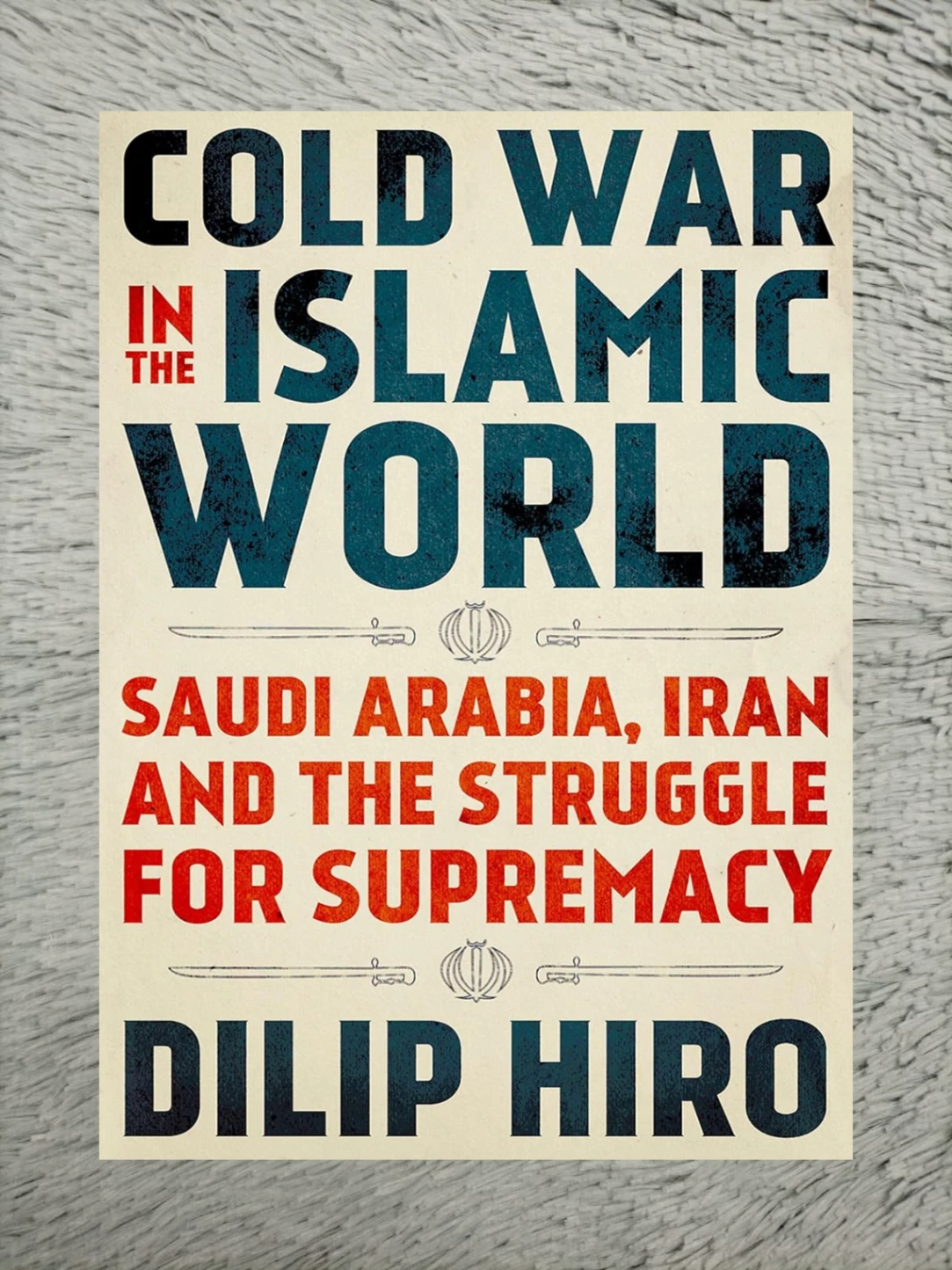
by Dilip Hiro
Cold War in the Islamic World: Saudi Arabia, Iran and the Struggle for Supremacy by Dilip Hiro is a comprehensive and timely exploration of the long-running strategic rivalry between Saudi Arabia and Iran—a competition that has defined Middle Eastern politics for decades and is often described as a new “Cold War” within the Islamic world. The book blends historical depth with geopolitical analysis to explain how two very different powers have vied for influence across the region since the mid-20th century. Hiro frames the rivalry around both religious and political fault lines. The Sunni-Shia divide is one core element: Saudi Arabia stands as the leading power of Sunni Islam, with the Saudi monarchy and Wahhabi doctrine asserting legitimacy across a broad Sunni world, while Iran’s Islamic Republic champions Shia Islam and revolutionary governance rooted in its 1979 revolution. These competing visions have shaped not just theological identity but national strategy, alliances, and regional ambitions. The narrative traces how oil wealth and external powers—especially the United States—helped mold both states into pivotal players. Post–World War II dynamics, including the 1953 coup in Iran and Riyadh’s strategic alignment with Washington, laid the groundwork for decades of jockeying for influence. The collapse of the Shah and rise of the Islamic Republic in 1979 radically altered the balance, ending coordinated U.S.–Saudi and U.S.–Iran cooperation and triggering repeated cycles of competition and proxy conflict. Hiro examines the rivalry across multiple fronts—Iran’s expanded influence in Iraq, Syria, and Lebanon; Saudi interventions in Yemen; and broader Gulf politics including the diplomatic isolation of Qatar. The book also tackles later developments such as the Arab Spring, its regional repercussions, and how the shifting policies of global powers, especially under U.S. leadership changes, have fed further tensions.
Format